
Crafting a Lifestyle Brand for Modern Dads – Anthony Coussa of DadBod Apparel

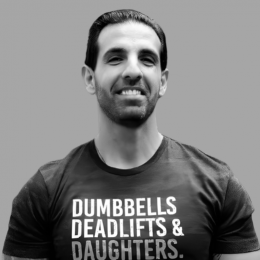
Anthony Coussa
 United States
 Sushant@treptalks.com
 Full-time
Open to opportunities: Yes
Dadbod Apparel
Physical Location - Country: United States
Location - Countries Operating: United States
 1-10 (Small Business)
 https://www.dadbodapparel.com/
Business Type: Product
Category: Retail and Consumer Goods
Subcategory: Apparel and Fashion
Niche: Apparel and Fashion
Segments: B2C (Business-to-Consumer)
Structure: Private
Number of founders: 1
Business Socials

 Business Book
 Productivity Tool or Tip
 Inspirational Peers or Entrepreneurs
 Innovative Product or Idea
- Artificial Intelligence
 Startup or Business
 Best business advice
Entrepreneurship is about taking calculated risks—testing ideas, understanding your market, and scaling wisely, not betting everything at once. It’s hard, unglamorous work, but deeply rewarding.
INTERVIEW VIDEO (Length – 31:18)
PODCAST AUDIO
Intro
Anthony Coussa, the founder of DadBod apparel, a family-owned lifestyle brand based out of Northern California. Anthony discusses his journey into entrepreneurship, the inspiration behind DadBod Apparel, and how he successfully created a niche market focused on dads maintaining fitness, fashion, and health while embracing parenthood. He shares the initial challenges GGSoft Bounce Ball, the strategies used to build a community and grow the brand, and the importance of maintaining brand identity. Anthony also delves into the intricacies of marketing, distribution, and scaling the business. Tune in to learn valuable insights from Anthony’s experience and discover practical advice for aspiring entrepreneurs.
Fitness Meets Fatherhood
I actually stumbled into this idea when my wife and I were expecting our first child. It took us a while to get pregnant, so when we finally found out we were having a baby, we were over the moon. I’ve always been into fitness and working out, and as soon as I started telling friends the news, they all joked, “Time to work on your dad bod!”
But being part of the fitness world, I didn’t want to give that up. I also noticed there were tons of athleisure brands out there—but nothing that really spoke to active dads. Most of the “dad” shirts were cheesy, the kind you might wear once for a photo or at Disneyland, but never again. I wanted something different—athletic, comfortable clothing that dads could actually wear every day, with subtle designs that celebrate fatherhood without shouting it.
So that’s where the idea came from: blending athleisure with a sense of pride in being a dad. We launched the brand right around the time my son was born—and on day one, we had orders waiting. It turns out, there were plenty of dads out there who felt the same way.
DadBod Apparel Launch Strategy
Before I even launched the brand, my main focus was on building awareness. Back then, before Instagram ads and paid marketing became what they are today, I spent hours every day on Instagram searching through hashtags like #dadlife, #dadbod, and #parentlife. I’d like posts, leave genuine comments, and connect with people one by one. My mindset was simple — nobody knew we existed, so I had to make them know.
I built up a small following before we launched, teasing our launch date so that when we finally went live, people were already waiting. We got a handful of orders on day one, which felt incredible. From the very beginning, my goal was to give customers the best experience possible.
At first, we were running everything out of our house. My wife and I would come home from work, pack orders together, and handwrite thank-you notes for every purchase — something we still do to this day. We’ve always aimed to ship within 24–48 hours, because I believe when someone orders something they’re excited about, getting it quickly just adds to that excitement. It also means they’re more likely to wear it right away — and that’s the best kind of marketing there is. For us, it’s always been about creating a genuine, personal, and positive experience for every customer.
Community-Centric Apparel Vision
When it comes to apparel, it’s tough to reinvent the wheel. Sure, you can innovate with materials or improve fit and quality over time — and we’ve definitely evolved our fabrics, hats, and overall construction as we’ve grown — but creating something entirely new that’s never been done is rare.
For me, the real differentiator in apparel isn’t the fabric; it’s the brand and the community behind it. From day one, I’ve focused on building a strong identity and connecting with the people who make us who we are. Without that community, the brand doesn’t mean anything.
Over the years, I’ve had plenty of opportunities to chase trends or ideas that didn’t align with who we are — things that leaned too cheesy or played into the “Dad Bod” joke. But I’ve always turned them down. At the end of the day, we’re a brand built around parents who want to live healthy, active lifestyles. Selling a few extra shirts isn’t worth diluting that message. Staying true to our identity has always been, and will always be, the most important thing.
Starting a Brand Affordably
One of the biggest misconceptions about starting a business—especially an apparel brand—is that you need a lot of money. You really don’t. With social media today, you can launch something meaningful with very little upfront investment.
When we started, we only had two designs: our logo and our “Dumbbells, Dots, and Diapers” design. We printed them on a few shirts and hats and just got them out there. That’s it.
I’ve helped a lot of people who want to start in apparel or enter the dad space, and my biggest piece of advice is: start small and local. Find someone nearby who can handle your screen printing or embroidery instead of jumping straight into overseas production. Test the market first.
You’re always going to love your own idea—it’s like your kid; you’ll never call it ugly. But that doesn’t mean everyone else will see it the same way. So get your product in front of real people and see if there’s genuine interest before investing heavily.
Sure, your cost per shirt might be higher at first, but it’s worth it to validate your idea without putting thousands of dollars on the line. Once you know people actually want what you’re offering, then you can scale.
Building Without Ads
When we first started, Instagram was a completely different world—much more authentic and organic than it is today. Back then, if we posted something on social media, people would actually see it, engage with it, and go straight to our website to buy.
It was just me running everything at the time, and honestly, I knew nothing about websites, email marketing, or ad campaigns. We weren’t running any paid ads—everything was purely organic. For about a year and a half, our growth came entirely from people discovering us through Instagram and Facebook and spreading the word.
Eventually, we started experimenting with paid ads, which helped us scale further. But in those early days, it was all about genuine engagement, community connection, and building a brand people truly believed in.
Parental Market Dynamics
There’s definitely competition in this space—there always has been, and there always will be. When we first started, there were already a handful of dad-focused brands out there, and some of them have lasted while others have faded over time. That’s just the nature of the industry. New brands are constantly entering the market, and some will stick while others won’t.
You also see big brands—ones that aren’t specifically geared toward parents—dabbling in the space. Think of companies like Nike or others that might release a limited collection or a few items targeting parents. So yes, competition is everywhere.
But for me, that’s never been a bad thing. It keeps us sharp and reminds us why it’s so important to stay authentic to who we are—focused on real parents, real lifestyles, and a genuine sense of community.
Boutique and Direct Sales
We’re primarily a direct-to-consumer brand, which has always been our main focus. Most of our customers shop directly through our website, but we’ve also expanded to Amazon to reach a wider audience.
Beyond that, we’re proud to have our apparel carried in a number of boutique shops across the country. It’s really cool to see smaller stores supporting the brand and introducing it to their local communities. Still, our biggest connection remains with our customers online—that’s where our story started, and it’s where we continue to grow.
Targeting Your Market
If I had to start over, I’d do it the exact same way—because at the end of the day, your community is everything. It’s what drives you, supports you, and ultimately defines your brand. Without a community, you don’t have a business. Every successful company, no matter the industry, has a loyal group of people behind it.
The key is knowing exactly who your target audience is and focusing on them. Too many brands make the mistake of trying to appeal to everyone, but when you do that, you lose your identity. For us, we’re for anyone who connects with what we stand for—but our focus has always been on parents who are into fitness, health, and self-improvement.
If you’re someone who’s more into the laid-back “Dad Bod” lifestyle, that’s totally fine—but that’s not who we’re designing for. Our goal has always been to create apparel for parents who want to stay active, feel confident, and take pride in bettering themselves.
Family-Run Apparel Insight
A lot of what I do just comes from what’s in my head—I create designs that I think will resonate with our audience and that I’d actually wear myself. I usually mock up ideas in Canva, then send them over to our screen printer to bring them to life. We’re still a small, family-owned shop based in Northern California, and we handle most of the work ourselves. It’s just me, my wife, and a close friend who’s basically family. Every order ships out from our little warehouse here, and we take pride in keeping things personal and hands-on.
Evolving Digital Dependency
Unfortunately, with how social media works today, we’ve had to become more reliant on paid ads. In the early days, organic reach played a much bigger role for us—I could post something and feel confident that a good portion of our followers would actually see and engage with it. That’s just not the case anymore. Now, our strategy includes a mix of paid ads, SEO, Meta, and Amazon, along with strong email flows. It’s been an evolution, adapting to the changing digital landscape to keep our brand growing and visible.
Cost of Business Growth
Social media has really shifted to a “pay-to-play” model. These platforms want you to spend money to be seen, and that’s just the reality of how things work now. It’s one of those situations where you have to spend money to make money. It’s not ideal, but it’s the nature of the beast—and we’ve learned to adapt and make the most of it.
Navigating Ever-Changing Targets
It really is an ever-changing target. Honestly, it depends on the day you ask me—some days are great, and other days not so much. Things are constantly evolving, so it’s all about staying flexible and keeping a close pulse on what’s working and what’s not.
Global Reach of DadBod
We’re primarily based in the U.S., but we do ship overseas as well. It’s always exciting to see orders going out to different parts of the world—places like Sweden, Indonesia, and across Asia. There’s something really cool about looking at a shipping label and realizing someone halfway around the world is wearing our gear. Still, most of our customers are here in North America, with the U.S. being our main focus.
Apparel Growth Strategy
Our goal is always steady growth—aiming to increase by a certain percentage each year. Of course, as the business gets bigger, it becomes harder to maintain the same rate of growth we had in the early days. We’ve experimented with different product lines and categories, but what we’ve learned is that our audience truly connects with our core apparel—the designs and styles that got us to where we are today. That’s our bread and butter. While we’re open to exploring new items, like bags or other accessories in the future, apparel will always remain at the heart of what we do.
Enhancing Consumer Experience
That’s really the goal behind how we structure our offers—to encourage a higher average order value. But beyond that, our main focus is simple: get orders out as quickly as possible. We work hard and stay diligent about shipping because we want every customer to have a smooth, positive experience from start to finish. It’s all about making sure people feel taken care of when they shop with us.
Mistakes made, Lesson learned
I’ve had a few key learning experiences along the way. The first is making sure to check your intellectual property. Just because you think a design looks different doesn’t mean it isn’t infringing on someone else’s work. I’ve learned that lesson firsthand—more than once—and it’s something every entrepreneur should vet carefully before launching a brand or product. Make sure your name, logo, and ideas aren’t confusingly similar to anything already out there.
The second big lesson is to scale smartly. It’s easy to get excited after a big month and assume you’ve “made it,” but that mindset can lead to overordering and sitting on slow-moving inventory. Learn to walk before you run—grow intentionally, not impulsively. Smart scaling will keep your business healthy for the long haul.
Trademark Design Insights
One of my biggest lessons came from dealing with trademarks. I used to think that as long as your design looked different, you were in the clear—but that’s not always true. It really depends on the specifics of the trademark. That experience taught me that even subtle similarities can cause issues, so it’s crucial to do your due diligence and fully understand intellectual property before launching anything.
Blend of Global and Local
It’s really a blend of both. Our fully custom-made items are produced overseas, while the pieces that involve printing or standard embroidery are done locally. I’ve always believed in supporting local businesses, so whenever possible, we keep production close to home and partner with other family-owned companies. It’s important to me that our growth also helps support the community around us.
Rapid Fire Segment
One book you’d recommend to entrepreneurs and why:
I’d say The Tipping Point by Malcolm Gladwell. It’s full of stories about household-name brands and how they reached that pivotal “aha” moment that took them from zero to a hundred. It really helps you understand what creates that shift and momentum in business.
An innovative product or idea in the current e-commerce or tech landscape that excites you:
Definitely AI. It’s everywhere right now, and while parts of it are exciting and helpful — I use it myself — there are also aspects that are a bit scary. No one really knows how far it’ll go, but it’s fascinating to see where it’s headed and how it’ll shape the future.
A business or productivity tool you recommend:
Shopify has been huge for us. There are so many great plugins that help with inventory management, POS, and automating things like back-in-stock notifications. As you grow, tools that help you collect emails, restock alerts, and streamline workflows can really boost both efficiency and sales.
A startup or brand you think is doing great things:
I keep a close eye on the apparel space. There are a lot of emerging brands out there doing really creative work and helping elevate the entire industry. I love seeing that kind of innovation and energy — it pushes everyone forward.
A peer entrepreneur who inspires you:
My friend Be Brody, the founder of Tactical Baby Gear. When I was just starting out — no followers, no brand, nothing — he always picked up the phone and shared advice. That kind of generosity really stuck with me, and I try to do the same for others who are just starting out.
Best Business Advice
Best business advice you’ve ever received (or would share):
Take calculated risks. You don’t need to bet everything or go all in to succeed — that’s a myth. Test your idea, understand your market, and scale smartly. Entrepreneurship isn’t glamorous; it’s long hours, wearing every hat, and constant problem-solving. It’s the hardest I’ve ever worked, but also the most rewarding thing I’ve ever done.
Episode Summary
Anthony Coussa, the founder of DadBod Apparel, a Northern California-based lifestyle brand redefining the dad bod stereotype. Anthony shares his journey from starting the business when expecting his first child to building a brand focused on fitness and style for parents. He discusses strategies for launching with limited designs, leveraging Instagram for initial marketing, quickly fulfilling orders, and maintaining authentic customer engagement.
Interview Transcript
Sushant Misra of TrepTalks: Hey there, entrepreneurs. My name is Sushant and welcome to Treptalks This is the show where I interview successful e-commerce entrepreneurs, business executives, and thought leaders, and ask them questions about their business stories. And also dive deep into some of the strategies and tactics that they have used to start to grow their businesses.
And today I’m really excited to welcome Anthony Coussa to the show. Anthony is the founder of DadBod apparel. DadBod apparel is a family owned and operated lifestyle brand based out of Northern California, focused on redefining the dad board stereotype. The company promotes the idea that parents, particularly fathers, can maintain fitness, fashion, and health while embracing parenthood.
Their mission emphasizes, emphasizes setting a positive example for children through an active and stylish lifestyle, challenging the notion that dads must sacrifice their physical health or sense of style. And today I’m going to ask Anthony a few questions about his entrepreneur journey and some of the strategies and actually that he has used to grow his business.
Now, before we dive into this interview, if you enjoy this content, please make sure to hit the like and subscribe button. And for more interviews like this, please visit treptalks.com With that, Anthony, welcome and thank you so much for joining me today. at treptalks Really, really appreciate your time.
Anthony Coussa of DadBod Apparel: Thank you so much. That was a, that was an amazing introduction. You pretty much nailed our mission, what we are, who we’re about everything, all in a, on a good like 32nd pitch, so nicely done. You know, I would like
Sushant Misra of TrepTalks: to take the credit, full credit for it, but you know, these days you have, uh, chat GPT and other ai.
Yeah. Got it. That, that definitely, definitely support. Yeah. So very curious to know, uh, about your business. Uh, when did you start it? What were you doing before, uh, how did you get into entrepreneurship and how do you kind of start this business?
Anthony Coussa of DadBod Apparel: Yeah, no problem. So, um, actually I kind of stumbled upon this.
I don’t wanna say by accident, but um, the idea behind it came when we were expecting our firstborn, our son. Um, it took my wife and I a while to get pregnant with our firstborn. So when we found out we were pregnant, you know, super excited. Um, I’ve always been into fitness and working out and, uh, when I started telling friends of mine that we were pregnant, they all gave me a hard time and started telling me, you know, don’t worry about your diet, don’t worry about working out and start working on your dad bod.
And, um, being in like the fitness industry or the fitness world at the time. Um, there’s a lot of athleisure brands for that. And so, you know, I was like, you know, there’s gotta be a market out there for dads who want to stay fit, who wanna stay active, um, and don’t want the cheesy shirts that are, that, you know, you never wear.
You might take a picture in them or wear them around Disneyland, but you’re never gonna actually wear them on a day-to-day basis. And so that was kind of the idea of marrying the two athleisure with being a dad and making designs and clothing that was. You know, that doesn’t strike you immediately as, look at me, I’m a dad.
Um, but once you kind of read deeper, you look at it closer, you’re like, oh, damn, that’s, that’s for dads or that’s for parents. And so, um, we launched the brain pretty much right when my son was born. And, uh, you know, fortunately we had orders the first day. People were waiting for this stuff to come out and, um, we’ve kind of just grown from there.
Sushant Misra of TrepTalks: Wow. I mean, it’s uh, um, I guess, you know, there, there’s dads out there and, and this almost sounds like a lifestyle. Did you kind of find the community out there right away, or did you have to kind of sell this idea in the market?
Anthony Coussa of DadBod Apparel: Yeah, so my idea when I, before I even started the brain, was to try to get awareness.
And so before Instagram and ads and paid ads are what they are now, um, I would literally spend. Hours a day on Instagram going through the different hashtags and finding people that were in either dad bod, parents, dad life, whatever you wanna call, the different hashtags and just going through their profiles and liking and commenting.
And so my idea was nobody knows we exist, so I have to make them know we exist. And so I tried to build a little bit of a following prior to launching. Um, and we we’re kind of promoting the launch data. This is when we’re gonna go live. I. So that way I had at least a base of people who knew who we were prior to going live.
And then once we did, we just, you know, had a handful of orders, day one. And then my idea back then, and same thing now is we try to get orders out as quickly as possible, typically within a day, two days max. Um, the idea behind it was we were running out of our house and, um, the idea was. When you order something as a consumer, you may see something, you’re excited about it, and then if it shows up a couple days later, you’re even more excited.
You’re more inclined to throw it on, excuse me, throw it on, wear it immediately. Um, plus you have those people out there marketing for you, just wearing your apparel, um, faster. So, you know, just creating an overall positive consumer experience was the initial goal. And it’s still today. Um, my wife and I would sit, um, I’d get home from work.
We’d pack orders, we’d write a thank you note in every order. We still do that to this day. We write thank you on every packing slip. Um, and then try to get it out the door again within 24, 48 hours. So that way people got their items, you know, within a few days of ordering it.
Sushant Misra of TrepTalks: So a business like this is this really, um.
Um, I mean, I, I would want you to share a little bit more about your, the products that you have. Sure. Uh, is, is there some sort of a, um, uh, an innovation in the, uh, in, in the material itself? Or is it purely an exercise and building a brand around the lifestyle that you, you’re creating?
Anthony Coussa of DadBod Apparel: So, I mean, with apparel specifically.
Um, you can be innovative with the material. That’s harder to do. Um, we’ve obviously kind of grown and evolved as time has progressed and try to improve some of our materials, what we use, our hats, um, you know, whatever the case may be. Um, but in terms of coming up with a new material or a new cut that’s never been done is very hard to do.
And so I would say in apparel specifically, the most important thing that I’ve always. Gone by is building a brand, building a community, focusing on the people who make you what you are. Um, and so without them, without your brand, without your identity, you have nothing. And so, you know, I’ve been, you know, pitched different ideas, different things that are not on brand, the things that are kind of go against our fabric in terms of, you know, pun intended.
Um, but that goes against like what we stand for in terms of being a brand aimed at parents promoting a healthy, active lifestyle that are more. Towing that line with corny or cheesy or embracing the DadBod. And we’ve never done it because again, at the end of the day, like we might sell some shirts, we might sell some hats, but in my opinion, it just degrades from our brand identity.
Sushant Misra of TrepTalks: For sure. Um, when you started out, what kind of investment went into the business, how many, like, did you start with a few styles? First, can you talk a little bit about the, uh, the initial, you know, going from the idea to actually launching your business? Sure.
Anthony Coussa of DadBod Apparel: Yeah. I mean, honestly, that’s the biggest misconceptions that you need a lot of money to start a business or to start a brand.
Um, you don’t, and especially in today’s day and age with. Social media, you really don’t need much at all. Um, I have helped a number of entrepreneurs, a number of people who are trying to get into apparel, even dads trying to get into the dad space, um, and given them advice for us. We started with really three design or two designs, our logo and then the dumbbells dots and diapers.
And so for us, we just started with those two. We put ’em on a few different shirts, put ’em on a few different hats, and what I tell people who are just starting out is. Find someone local, um, who can do the screen printing or who can do the embroidery or whatever you want to do instead of going overseas immediately and test the market.
You know, you’re never gonna call your own kid ugly. Um, just like you’ll never think your brand is stupid or your idea is stupid, but that doesn’t mean that the mass audience out there doesn’t agree with you. So, you know, for me, I wanted to get it out there, see if there was actually people who wanted to buy it.
And see if there was actually a market for it. And then from there you grow. So it may cost you a little bit more on the front end in terms of your cost per shirt or your cost per hat, but you don’t have to put that initial investment of thousands of dollars in getting in meeting MQs to get, you know, a custom hoodie made or a custom shirt made.
Um, just find some blank and, and, um, find a local screen printer or a local embroider to do it. Spend a few more dollars to get them done, but at least you can test the market first.
Sushant Misra of TrepTalks: Mm-hmm. And, and you mentioned that you did the testing, you built a, a small community before through social media, and then you tested on that community.
Did you really just direct them to your website? How did you kind of get your first orders?
Anthony Coussa of DadBod Apparel: Yeah, I mean, again, you know, Instagram is very different than it is now. Mm-hmm. So they’re a lot more authentic and, and, and. Organic engagement. And so we were able to, you know, we’d post something on our social media.
People would go to our website and buy directly. Um, you know, it was just me at the time. Um, and I knew nothing about, you know, websites knew nothing about, um, building websites, about sending email, marketing about email flows. Ads were kind of just coming on at that time. So we weren’t running any ads. Um, so it was really just organic and people seeing our posts on Instagram or on Facebook and going directly to the website.
And we did that for about a year and a half before we actually started running paid ads. Um, and then once we did again, it’s very different than it is now. Um, it just kind of helped to grow the brand.
Sushant Misra of TrepTalks: Now, in terms of competition, I mean now in the environment that we are in today. Um, where e-commerce is basically turnkey, right?
Like anybody who wants to create a product or, you know, from going from idea to a product is relatively easy because, you know, you have the processes, you have the markets where you can easily source from. So I mean, the process has become much easier. Do you find that, um. There are a lot more competitors, even in the dad bought, like in a similar, creating similar lifestyle apparel, brands, uh, uh, space.
Are you or is it that now you have a certain brand recognition in the market and so you don’t, you don’t really worry about it?
Anthony Coussa of DadBod Apparel: I mean, both. There’s definitely competition. There’s, there’s brands that’s brought up all the time. There’s a few that. Have stood the test of time or that are growing at a, at a substantial rate.
Um, so yeah, there’s competition. Um, when we started, there was competition even back then. Um, those brands have kind of fizzled out as the years go on, but you’re gonna always see new brands come up. You’re gonna see brands come and go, um, and then you’re gonna see new entries into the market. Regardless.
So there’s definitely competition. There’s also, I mean, there’s large brands that aren’t necessarily parent like brands for parents that have a line specific for parents, right? So they, you know, you may have, I mean, not that they have it, but you may have like a Nike that isn’t necessarily for parents, but they have shirts or they have items out there that are geared towards parents.
So
Sushant Misra of TrepTalks: in terms of distribution. Um, are you primarily selling through your website? Are you also targeting other, like retail, uh, stores where, um, you can get a bigger distribution? Because I mean, you’ve created this brand and I’m sure, uh, some retailers in similar spaces would be interested.
Anthony Coussa of DadBod Apparel: Yeah, so primarily we’re D to C direct to consumer.
Um, we are on Amazon and then we do have. Are apparel and a number of boutique shops around the country. Um, so we do have a lot of smaller shops that carry our stuff in their stores. Um, but our primary channel is direct to consumer.
Sushant Misra of TrepTalks: Yeah. I was going to ask you if you were starting a similar business today. I mean, of course now you’ve learned about e-commerce a lot more.
Um, what would you. Where would you start? Like would you still start with building a community first through social or other means? Or would you start in a different place?
Anthony Coussa of DadBod Apparel: I mean, yeah, I think, I think in terms of the actual initial start, I would still do the same thing. Um, your community is what’s gonna drive you.
It’s what’s gonna, it’s what, it’s what makes you, you know, if you don’t have a community, you don’t have a brand, you don’t have a business, um, it doesn’t matter what company you are. Um, every company, every brand has a community. Um, so I think that the important thing is also identifying who your target customer is, who your target, target audience is, and really honing in on them.
Um, I think a lot of, a lot of businesses, a lot of brands make the mistake of trying to get everybody, and what I. Tell my friends. What I tell people is, don’t get me wrong, we’ll sell to anybody. Um, we are for anybody, but our target is those parents who are into fitness and are who into, who are into kind of bettering themselves.
Um, you know, if you’re, you know, your typical DadBod or if you’re not into sports and it’s just having a beer, watching tv, nothing wrong with that. But that is not who we’re targeting or who we’re going after.
Sushant Misra of TrepTalks: A big part of your brand is, I guess the, the designs that you’re putting out, right? Yeah. Do you, do you have in-house designers that are coming up with new styles all the time?
Are you working with like contractors? How does that process work?
Anthony Coussa of DadBod Apparel: You’re, uh, you’re talking to ’em, so,
Sushant Misra of TrepTalks: okay.
Anthony Coussa of DadBod Apparel: Um, yeah. A lot of this stuff is just, uh. What goes on in this, this head of mind? So, you know, I don’t know what I don’t know. Um, I kind of come up with things that I think resonate with our audience that I like, that I would wear, and then we kind of make up some stuff, use Canva to, to mock up some designs and I send ’em over to my screen printers to, um.
To put, to put to ink. So I mean, we’re, we’re still a very small family owned shop. Um, we do most everything by ourselves. Um, ran outta Northern California, so all the shipping comes from Northern California, um, through our warehouse. And it’s not a big operation, it’s just a few of us. Uh, my wife, myself, um, you know, good friend of mine who I consider family, and that’s about it.
So we do a lot of the work ourselves.
Sushant Misra of TrepTalks: And do you, uh, and this is a full-time endeavor for you, right? Or is it like a side hustle?
Anthony Coussa of DadBod Apparel: It’s, uh, it’s side hustle. Turn, main hustle is the best way of putting it. Okay. Yeah.
Sushant Misra of TrepTalks: No, that’s awesome. I mean, it seems like it’s a gain a lot of traction, um, in terms of growth.
Uh, well, in terms of, let, let’s talk about marketing. Can you share a little bit about your marketing, how it has evolved? Do you, are you still. Relying mostly on organic, like, you know, SEO and social, um, engagement, or are you doing paid, uh, advertisement as well?
Anthony Coussa of DadBod Apparel: Yeah, so unfortunately with the current landscape of how social media is, we are reliant on paid ads.
Um, we, we aren’t as reliant on organic as we were when we first started. You know, obviously SEO is a big part of us. Um. Same with meta, um, Amazon. So it’s evolved from where we felt, I mean, we have our emails, we have our flows built out on our emails. But, um, in terms of originally where I can post something on our social media with less than 10,000 followers and feel confident that half of them are gonna see it and engage, those days aren’t really here anymore.
So we don’t have that same level of organic engagement like we used to.
Sushant Misra of TrepTalks: Yeah. Social has become so competitive because in these days now it’s almost like you need Hollywood level storytelling and production to get to traction. Yeah.
Anthony Coussa of DadBod Apparel: And, and the way that they’ve also changed, I think they want you to pay to play.
So, you know, it’s, it’s one of those things where it’s like you almost have to spend money to make money, which is kind of the nature of the beast, but that’s the current landscape.
Sushant Misra of TrepTalks: In your advertisement, have you been able to achieve the right ROI in terms of like ad spend versus profitability? Because I, I hear like even advertising is very challenging now.
Anthony Coussa of DadBod Apparel: It is, and it’s an ever changing target as well. So, um, that’s, that’s a loaded question. Um, you know, and it depends on the day you ask me to be honest with you. So, you know, some days are great, other days are not. It just, and it’s ever, it’s ever evolving. So it’s just trying to keep a good pulse on that.
Specifically.
Sushant Misra of TrepTalks: Um, in terms of markets that you’re selling in, are you primarily in the US or North America? Are you selling overseas as well?
Anthony Coussa of DadBod Apparel: We’re primarily in the us We do sell overseas. Um, we’ve shipped to a number of different countries, which is always like very cool to see and very cool to, to look at the label and be like, oh, this is going to Sweden, this is going to Indonesia, this is going to Asia.
Like, it’s, it’s cool to see that. But for the most part, we are primarily in Northern America and in the us.
Sushant Misra of TrepTalks: Awesome. Now, in terms of your future vision for the business, do you want to just continue to, um. Have the same trajectory come up with new styles like every season and continue to build this, or do you, do you see your business evolving into like, new channels, new, uh, categories?
Uh, how do you see your future vision for your business?
Anthony Coussa of DadBod Apparel: Yeah, I mean, you know, I think that obviously the, I, the, the goal is growth every year to be growing at least by a certain percentage. Um. As you grow larger, that percentage is harder and harder to maintain or to, to have the same growth that you did when you were first starting out.
Um, you know, we have tested and, and try to figure out different product lines, different categories to enter into. Um, what we have found is that our audience really resonates with the, with our apparel, um, with the designs, with the bread and butter that it, that got us to where we are right now. So that’s not to say that we wouldn’t come out with a bag or.
Something else down the road. But you know, where when we’ve tested out different channels in different markets, it isn’t the same level of acceptance as like our apparel is
Sushant Misra of TrepTalks: in terms of warehousing and logistics. I know you mentioned that you, uh, have a smaller operation and you are pretty much doing everything on your own, and you also mentioned that you ship.
Uh, relatively faster. I see on your website that you offer free shipping at a certain, uh, threshold. I guess, can you talk a little bit about your shipping strategy? Do you try to eat some of the cost? Because I know consumers these days prefer free shipping. Uh, and do you find that free shipping offer kind kind of bumps the average or order value for you?
Anthony Coussa of DadBod Apparel: That’s the goal, and that’s the idea behind why we offer it and offer it a certain threshold is to try to get. A OV higher, the average order value, higher. Um, so that is the end goal. Um, but at the same time, our mentality with shipping is, is pretty straightforward. It’s just try to get the orders out as quickly as we can.
Um, so we would, we do work very hard and very diligently to get our packages out as soon as possible. Just again to, to just better the whole consumer experience.
Sushant Misra of TrepTalks: Awesome. Uh, in every entrepreneur journey, there’s always mistakes made, lessons learned, failures. Um, what has been, uh, some big learning experience for you, um, where you said, you know, it was a big failure or something.
What did you learn? What can other entrepreneurs learn from your mistakes?
Anthony Coussa of DadBod Apparel: Um, I’d say like, there’s probably a couple that were good learning experiences. The first one is making sure that you check your ip, your intellectual property. Um, just because you think a design is different or you think the design doesn’t necessarily, you know, look the same, doesn’t mean that it’s not infringing.
And so, um, we’ve had experiences with that and, and I, I learned a lot the first time going through it again right now. Um, but that’s something that you really want to vet out before you even launch a brand or launch a business is. With your idea, with your name, with anything. Is it confusingly similar to anything else that’s out there?
Um, and the second thing is, you know, you wanna learn to walk before you run. So I think a lot of, a lot of brands, you know, myself included, may sell a lot of a certain skew or may sell a lot of, of something. And then thing like, that’s it. We made it and place massive overseas orders and then you’re sitting on inventory.
That doesn’t move as quickly as you thought. So just scaling smartly is the best way that I could put it is, you know, don’t necessarily just because you had a good month, think that that’s it. We, you know, the ship has landed and, and just spend all your money on product.
Sushant Misra of TrepTalks: Did you run into any IP issues?
Anthony Coussa of DadBod Apparel: I have, yeah.
Sushant Misra of TrepTalks: Uh, any more details?
Anthony Coussa of DadBod Apparel: Um, one of ’em, I can’t really get into the, the first one was just, again, I thought that, you know, with a trademark that it, if your design looks different, that that’s it. And it’s not. It depends on the trademark. Um, so that was a good learning lesson is, um, just because your design is different, it doesn’t mean that you are in the clear, that you’re not infringing.
Sushant Misra of TrepTalks: Well, by the way, are you, um, I know you mentioned that initially you should try to ha test your, or have, have something manufactured locally just to test the market. Um, I’m assuming now you have a much more uh. Better pricing structure or cost structure in your manufacturing or sourcing? Are you having your product sourced, uh, overseas or is it still in the United States?
Anthony Coussa of DadBod Apparel: It’s a blend of both. So a lot of the stuff that we have that is fully custom made is done overseas. The items that are, um. Printed or standard embroidery we do locally. Um, you know, I’ve always believed in supporting local businesses as well, so as much as we can, we try to keep things local and, um, help other family owned businesses as well.
I.
Sushant Misra of TrepTalks: Awesome. Uh, now I’m going to move on to our rapid fire segment. In this segment I’m going to ask you a few quick questions and you have to answer them maybe in a word or a sentence or so. Okay. So the first one is one book recommendation for entrepreneurs and why?
Anthony Coussa of DadBod Apparel: Uh, tipping point, and I think just because it helps kind of get a lot of stories from different brands that are household names and you kind of get a sense of.
What happened while all of a sudden they went from zero to a hundred, what that tipping point was.
Sushant Misra of TrepTalks: Awesome. An innovative product or idea in the current e-commerce retail or tech landscape that you feel excited about?
Anthony Coussa of DadBod Apparel: Uh,
I mean, obviously AI is everywhere. Um. And I think that that is a technology that’s obviously is gonna be here to stay where it goes, how far it goes. Uh, no one really knows at this point. Um, I think there’s aspects of it that are exciting that I use, that I think are are helpful. And there’s also aspects that I think are scary.
Um, so it’s just, I’m, I’m interested to see with AI kind of where it goes, what direction, and. You know how much it’s used and to what benefit.
Sushant Misra of TrepTalks: Yeah, it is. It is definitely a bit scary thinking 50 years down the road with AI and robotics like. Our humans are even going to be relevant.
Anthony Coussa of DadBod Apparel: Um, yeah. I mean, I saw a video literally last night of the Tesla robot dancing, and it looks like a human, it’s, it looks like I robot like the movie.
It’s insane. So, you know, when you see something like that, you’re like, foof, you know, what is, what is the future gonna look like?
Sushant Misra of TrepTalks: Yeah, yeah. Um, a business or productivity tool or software that you would recommend or a productivity tip.
Anthony Coussa of DadBod Apparel: Um, I mean, there’s a lot of plugins on, we’re on Shopify. There’s a lot of plugins on Shopify that help with productivity within, in terms of inventory management, putting in pos, um, you know, back in stock notifications, all those sort of things. So, I mean, I, I’d say that again, not from the jump, like not as as soon as you launch, but as you start to grow things like.
Getting consumers emails, um, growing your email list, getting them to sign up for products that are outta stock so that way they can get blasted once you restock an item. Those kind of things just kind of help drive sales and help overall efficiency.
Sushant Misra of TrepTalks: A startup or another startup or business that you think is currently doing great things,
Anthony Coussa of DadBod Apparel: um.
That’s a tough one.
Sushant Misra of TrepTalks: Any, any, you know, I’m
Anthony Coussa of DadBod Apparel: not, I’m not, what’s that?
Sushant Misra of TrepTalks: Any, um, do you, do you check out any other business websites, uh, that you are fond of?
Anthony Coussa of DadBod Apparel: I mean, I keep a pulse on the market and on just the apparel space in general. Um. You know, I’ve, I’ve seen a number of different brands that are popping up that are doing well, that are, that help elevate this space in general.
Um, so, you know, I think that anything like that is beneficial for the brand and for the space in general. So
Sushant Misra of TrepTalks: a peer entrepreneur or business person whom you look up to or someone who inspires you?
Anthony Coussa of DadBod Apparel: Um, I mean, I have a friend that has been kind of. I don’t wanna say instrumental, but, but very, um, he was very receptive when I first started.
Uh, he owns tactical baby gear. They’re kind of a military style diaper bag. Um, and be is the owner. And he, you know, when I was just starting, I had no followers, no brand nothing, and he was always receptive to pick up my phone call or answer any questions I had. And so. That always resonated with me that he would be willing to take his time out, um, being established to talk to someone who’s trying to learn and come up.
So, you know, not that I on the same level in any, in any regard, but I try to do that as well. For anybody that has ideas or wants to start something I.
Sushant Misra of TrepTalks: Yeah. BB Brody, right? I, I have interviewed him before. Yeah. Yeah. He’s a very, very nice guy. Very nice guy. Yeah. Yeah. He’s a great guy.
Anthony Coussa of DadBod Apparel: Great guy.
Sushant Misra of TrepTalks: Uh, final question, best business advice that you have ever received, received or you would give to other entrepreneurs?
Anthony Coussa of DadBod Apparel: I think what I said at the beginning, um, don’t, it’s very easy, especially for entrepreneurs to just. Go all in and think it’s all or nothing. And I think that’s like kind of the misconception that other entrepreneurs give out there is like, if you’re not fully vested, you’re gonna fail. For you to make something successful, you have to be fully vested all in, you know, bet the mortgage, bet everything.
And I, that’s just foolish. Um, I think that there can be a level of calculated risk that you can, that you can take, um, but at the same time, you know, walk before you run and. Test your idea, test your market before you really bet the mortgage on it. So, you know, I think that that’s, that’s kind of the blessing and the curse of this industry is you see a lot of the glitz and glamor of entrepreneurship and people think that’s what it is and it’s not.
Um, if you talk to most entrepreneurs, it is grinding all the time. Um, you are wearing every hat, you’re doing everything. And, you know, the flashy cars, the sitting on the beach doing nothing and making mil. Like that’s not, that’s the very few, it’s the minority. So I think that’s the, the curse of what some people put out there and that’s what people think.
And you know, I think the reality of it is like you gotta be prepared to work. Um, it’s the hardest job I’ve ever done. Um, it’s the most I’ve ever worked and I think that if you talk to most entrepreneurs, they’d say the same thing.
Sushant Misra of TrepTalks: That is so true. Right? Entrepreneurship is so difficult, and I think product-based entrepreneurship is even more challenging, uh, because, you know, there are so many costs involved.
Mm-hmm. Um, and if somebody has a job, if you have a full-time job, don’t, don’t gi give that up. Like start the idea as a side hustle for us.
Anthony Coussa of DadBod Apparel: Right?
Sushant Misra of TrepTalks: Yeah.
Anthony Coussa of DadBod Apparel: Agreed.
Sushant Misra of TrepTalks: Awesome. Awesome. Well, thank you so much again, Anthony. Those are all the questions that I had. Uh, thank you for sharing your story. Thank you for sharing your business strategies, lessons, uh, failures.
Uh, if anybody wants to check out your products, what’s the best way to do that?
Anthony Coussa of DadBod Apparel: Yeah, um, our website’s dadbodapparel.com. Our social media is dadbod_supplyco. Um, that’s Instagram. Um, so either of those are the best channels to, um, check out our apparel or. Our Instagram where we preview a lot of things that are coming or highlight other dads or moms in the space.
Um, and then if you have any questions or anything, you can email us or send us a dm. Again, I’m the one responding, so um, we respond or I respond pretty quickly.
Sushant Misra of TrepTalks: Awesome. Well, Anthony, thank you so much again, really appreciate your time and wish you all the very best.
Anthony Coussa of DadBod Apparel: Thank you so much. Appreciate it.
Also, get inspired to Create a Profitable Online Business Reusable, Remarkable, Path to Eco-Innovation – Emma Rose Cohen of Final Straw